Loading...
Eco Lifestyle
Eco Picks
Curated sustainable products that help you reduce your carbon footprint — plants, energy-saving gear, reusable essentials, and more.
Not sure where to start? Calculate your carbon footprint first — then see which swaps make the biggest impact.
Looking for eco-friendly products that actually help?
This page curates practical, lower-waste product categories people commonly search for: eco friendly alternatives for home, energy saving products, and reusable kitchen essentials. Use these picks after your calculator result to focus on actions that help reduce your environmental impact in day-to-day life.
Showing products available in United States
Energy
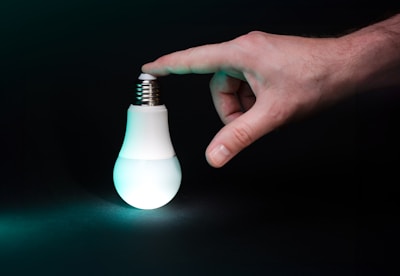
LED Bulbs Energy Saving Pack
LED bulbs use 75-80% less electricity than incandescent bulbs for the same light output. Last 15,000-25,000 hours vs 1,000 for incandescent — fewer replacements, less waste. ENERGY STAR certified options available.
Why it helps: Lighting is 10-15% of household electricity. Switching all bulbs to LED is the single easiest energy reduction most homes can make, paying for itself within months.
Estimated annual impact: ~20-120 kg CO2e/year in IN. Typical switch from incandescent/CFL to LED.
Shop
Energy
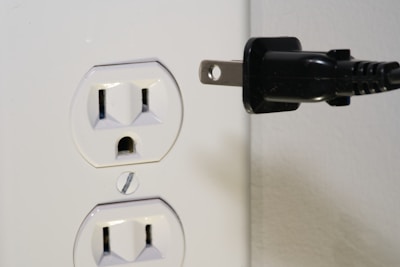
Smart Plug with Energy Monitoring
See exactly which devices draw power and switch them off remotely via an app. Tracks real-time and historical energy consumption. Works with Alexa and Google Home. No hub required.
Why it helps: Standby power accounts for 5-10% of residential electricity use. A smart plug lets you identify and eliminate these hidden loads without changing your daily routine.
Estimated annual impact: ~5-40 kg CO2e/year in IN. Reducing standby loads in home electronics.
Shop

Energy
Solar Powered LED Lantern
Portable solar lantern charges via sunlight and provides hours of bright light without grid electricity. USB rechargeable, waterproof, and collapses flat for easy storage. Great for camping, emergencies, and off-grid use.
Why it helps: In areas still using kerosene lamps or generators for lighting, a solar lantern eliminates those emissions entirely. Even in grid-connected homes, it reduces electricity use for outdoor and emergency lighting.
Estimated annual impact: ~5-60 kg CO2e/year in IN. Portable solar lighting; biggest savings when replacing kerosene/generator lighting.
Shop
Energy
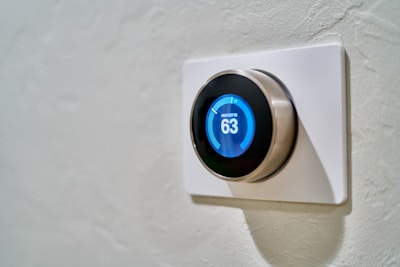
Programmable Smart Thermostat
Smart thermostat that automatically adjusts heating and cooling schedules based on your routine. Turns itself down when you leave and learns your preferences over time. Compatible with most HVAC systems.
Why it helps: Heating and cooling are typically 40-60% of home energy use. A programmable thermostat can reduce this by 10-15% by avoiding waste during sleep and away hours — one of the highest-impact single purchases a household can make.
Estimated annual impact: ~150-500 kg CO2e/year in IN. Reducing heating/cooling waste via smart scheduling.
Shop

Energy
Door & Window Draft Excluder Kit
All-in-one kit to seal gaps around doors and windows — includes self-adhesive weatherstrips and under-door sweep. Stops drafts, noise, dust, and insects. Installs in minutes without tools.
Why it helps: Air leaks around doors and windows can account for 25-30% of heating/cooling energy loss. Draft-proofing is the cheapest insulation upgrade and pays for itself within one heating or cooling season.
Estimated annual impact: ~50-200 kg CO2e/year in IN. Reducing air leakage and heating/cooling energy waste.
Shop
Travel
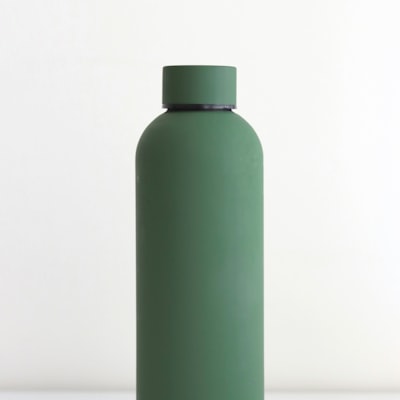
Insulated Stainless Steel Water Bottle
Double-wall vacuum insulated bottle keeps drinks cold 24h or hot 12h. Food-grade stainless steel — no flavour transfer, no BPA. Replaces hundreds of single-use plastic bottles per year.
Why it helps: Producing a single-use plastic bottle generates about 80g of CO2. If you buy 2 bottles per week, that is over 8 kg CO2 and 100 plastic bottles per year you can eliminate with one reusable bottle.
Estimated annual impact: ~10-45 kg CO2e/year in IN. Replacing roughly 150-500 single-use bottles/year.
Shop
Travel
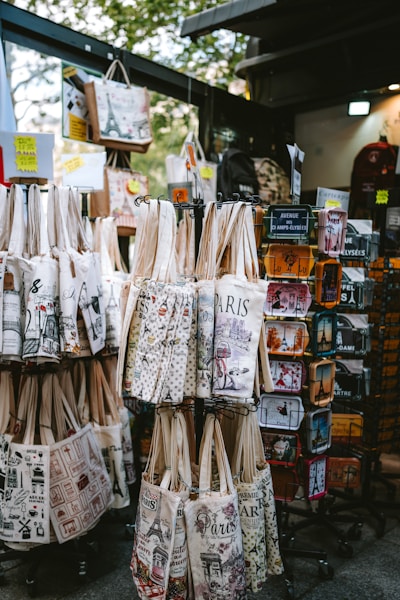
Reusable Foldable Shopping Bags (Set)
Durable, foldable bags that hold 2-3x more than a plastic grocery bag. Machine washable and compact enough to keep in a pocket or car. Replaces hundreds of disposable bags per year.
Why it helps: The average household uses 500+ single-use bags per year. Each plastic bag takes 1,000 years to decompose. Reusable bags eliminate this waste stream entirely and reduce the fossil fuel used to manufacture disposable bags.
Estimated annual impact: ~5-15 kg CO2e/year in IN. Replacing 500+ single-use plastic/paper bags per year.
Shop
Kitchen
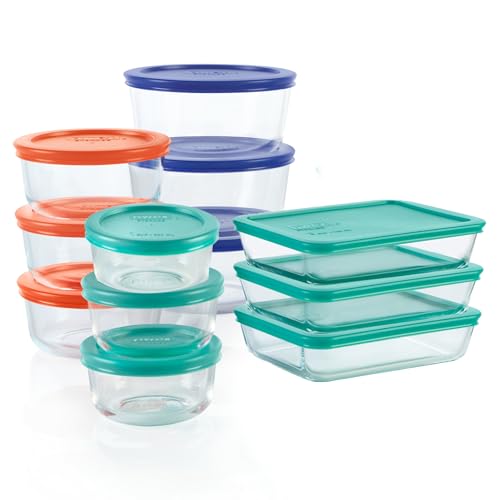
Glass Food Storage Containers Set
Airtight, leak-proof glass containers with BPA-free lids. Microwave, dishwasher, freezer safe. Stain and odour resistant. Replaces cling film, aluminium foil, and disposable takeaway boxes.
Why it helps: Food waste is responsible for 8-10% of global emissions. Proper storage containers reduce spoilage by keeping food fresh longer, while eliminating the need for disposable wraps and single-use containers.
Estimated annual impact: ~5-25 kg CO2e/year in IN. Replacing frequent disposable wraps/boxes and reducing spoilage.
Shop
Kitchen
Kitchen Compost Bin (Stainless Steel)
Countertop compost bin with activated charcoal filter for odour-free composting. Stainless steel construction — rust-proof, scratch-resistant, easy to clean. Filter lasts 6+ months.
Why it helps: Food waste in landfills produces methane — a greenhouse gas 80x more potent than CO2 over 20 years. Composting diverts this waste and creates nutrient-rich soil instead. A family of four can divert 200+ kg of food waste per year.
Estimated annual impact: ~15-90 kg CO2e/year in IN. Diverting regular food scraps to compost instead of landfill.
Shop

Kitchen
Bamboo Toothbrush Pack (Biodegradable)
Biodegradable bamboo handles with BPA-free soft bristles. Pack covers a full year of replacements. Bamboo is naturally antimicrobial and sustainably grown.
Why it helps: Over 3.5 billion plastic toothbrushes are discarded globally every year, most ending up in landfills or oceans. Bamboo handles biodegrade naturally. While the per-unit CO2 impact is modest, it eliminates a persistent source of plastic waste.
Estimated annual impact: ~0.5-3 kg CO2e/year in IN. Replacing plastic toothbrushes over a year.
Shop
Business
LED Flat Panel Office Ceiling Light
Commercial-grade LED panels that replace fluorescent tube lighting. Dimmable, multiple colour temperature options. ETL/DLC certified. 50,000-hour lifespan means years of maintenance-free operation.
Why it helps: Office lighting runs 8-12 hours daily, 250+ days per year. Switching from fluorescent to LED typically cuts lighting electricity by 40-60%, with a payback period of 1-2 years.
Estimated annual impact: ~50-300 kg CO2e/year in IN. Replacing older office fluorescent/halogen lighting in one zone.
Shop
Business
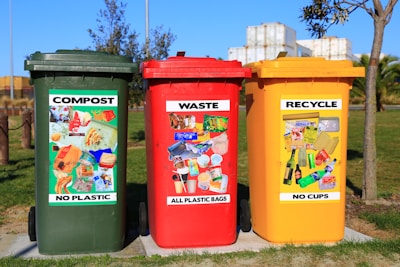
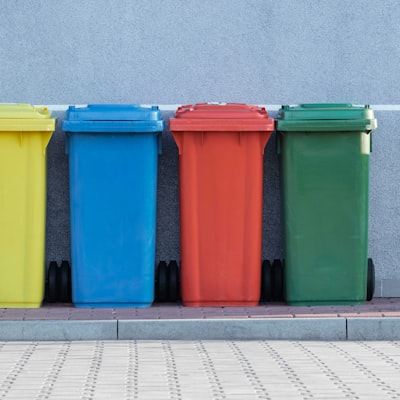
Office Recycling Bin Station (Multi-Stream)
Colour-coded recycling station with clearly labelled compartments for paper, plastic, metal, and general waste. Stream-specific openings and intuitive icons make sorting effortless.
Why it helps: Offices generate 70% recyclable waste but recycle only 30% on average. Clear bin separation with labels can double recycling rates, diverting hundreds of kilograms from landfill per office per year.
Estimated annual impact: ~20-150 kg CO2e/year in IN. Improved office waste sorting and recycling capture.
Shop
Business
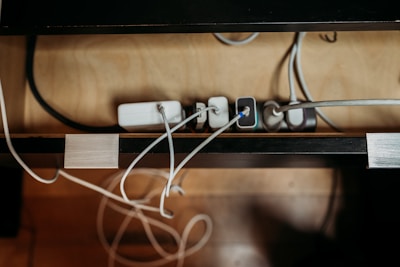
Auto-Switching Power Strip (Standby Killer)
Power strip with auto-switching technology — when the master device (PC/TV) turns off, controlled outlets shut down automatically. Eliminates phantom standby loads without any behaviour change.
Why it helps: Office equipment on standby can consume 20-40% of its active power continuously. An auto-switching power strip eliminates overnight and weekend standby waste automatically, reducing Scope 2 emissions without requiring any behaviour change from staff.
Estimated annual impact: ~10-120 kg CO2e/year in IN. Reducing idle and overnight standby loads across desks/zones.
Shop
We may earn a small commission if you buy through our links — it doesn’t change the price for you. See our full affiliate disclosure.
How to choose sustainable products with confidence
If you are searching for the best eco friendly products or low carbon lifestyle products, start with the category where your footprint is highest. For many households, that is energy and daily-use kitchen items.
Prefer durable products you will use for years, avoid one-time novelty items, and combine product swaps with behavior changes (use less electricity, reduce food waste, and choose reusables). Product choice works best when paired with measurement from our calculators.
Need deeper context before buying? Read our Learn articles on reducing footprint, or browse offset projects for emissions you cannot reduce immediately.